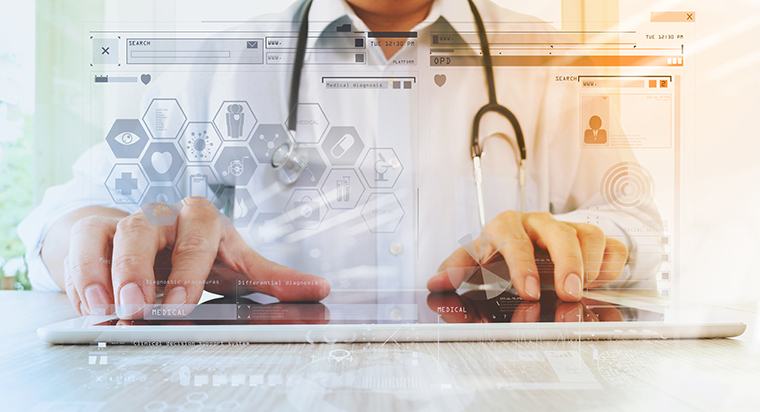
The rapid pace of technology adoption is occurring in all industries, including in healthcare. In large part due to the COVID pandemic preventing people from having in-person access to medical resources, the aid of technology has helped broaden the reach of practitioners and increase options for patients. In the year 2023, we will look at some recent trends in healthcare technology, including telehealth, automation, and wearable technology.
Telehealth
Telehealth has risen in importance due to COVID, but it also shines by providing those with fewer medical resources with a fast, efficient way of receiving medical treatment.
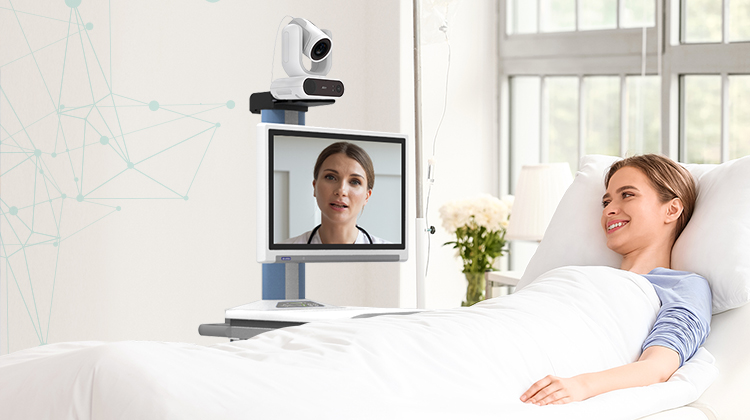
For instance, diabetics often require routine eye examinations by an ophthalmologist specializing in diabetic retinopathy, making it particularly difficult for older diabetics living in rural areas. Many manufacturers developed telehealth suitcases and telehealth carts, both of which are suitable for different application environments. The telehealth suitcase is suitable for emergency situations or pop-up clinics with limited space. It can hold a tablet, keyboard, speaker, and smaller medical devices like stethoscopes, wireless ultrasounds, and funduscopes. On the other hand, the telehealth cart is a great option for institutions in rural areas or with scarce resources to connect with specialized practitioners remotely. Generally, the telehealth cart comes with a high-definition PTZ camera, computer, and speaker along with an adjustable medical cart. This configuration allows for high-quality two-way communication for medical professionals to provide care remotely, saving patients time from long travel and waits in healthcare facilities.
Automation in Healthcare
Hospital workers are often overwhelmed in their daily routines, making automation a great choice for hospitals, with applications ranging from medical notetaking to sterilization.
Documenting a patient’s condition is a time-consuming, repetitive, yet necessary task for medical practitioners. With the rise of voice assistants, the input of this data can be simplified and completed automatically. Though doctors have long utilized medical transcription services and voice recognition technology to complete transcription tasks, AI-powered speech-to-text systems can now recognize and make clinical documentation during the consultation itself, so doctors can spend less time on administration and more time on patients, reducing clinical burnout and increasing patient satisfaction.
For hospital room sterilization, automation can also be used to ensure a sanitary environment for both patients and staff. Automated room disinfection (ARD) systems can reduce human errors, reduce the possibility of cross-infection, and free up time for hospital staff so they can focus on more pressing issues.
Health Wearables
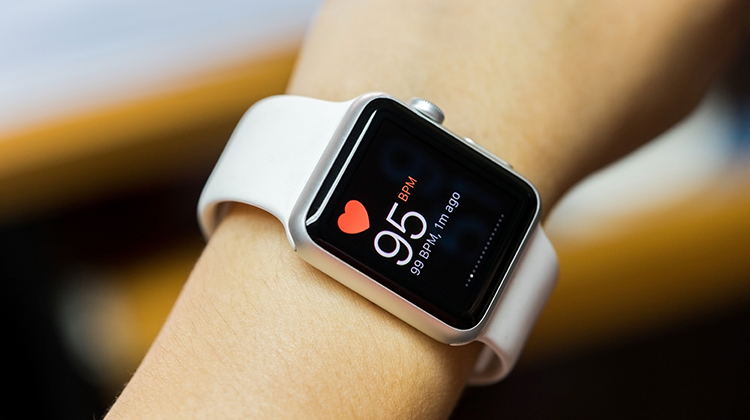
Wearable devices are changing the way we interact with our health, giving us real-time data on our physiological well-being regarding sleep, heart, blood oxygen levels, and other metrics. They help us keep track of our overall health conditions, playing a helpful role in disease prevention or even disease management. Particularly outstanding in the prevention of cardiovascular conditions like arrhythmia, hypertension, and strokes, we see a study using Fitbit trackers to predict undiagnosed atrial fibrillation patients. Other wearable devices capable of tracking patient health include glasses, shoes, and even clothing that Incorporate smart textiles. These innovations will give people a better sense of their own health and help people make healthier choices in their daily lives.
Applying Tech for Easier, Better Healthcare
Health technology can help improve the lives of patients all over the world by making checkups easier and tracking health metrics while simplifying the workflows of physicians and nurses. Especially for areas with a shortage of physicians and nurses, these technologies can help doctors reach a larger patient base and provide high-quality care to patients.
As we see healthcare systems adopting these new technologies and making their institutions smarter to cope with healthcare challenges, practitioners and authorities alike should be aware of how to responsibly and ethically use these systems while being compliant with regulations. When we have advanced technology and proper regulations in place, we are sure to see a great step forward in the healthcare industry.
About the Author
Maggie Chu is a Brand Communication Strategist at AVer Information, working out of Taipei, Taiwan. She crafts press releases, blog posts, and other marketing materials to support AVer’s global branding efforts. She has a black dog named Niuniu, who is ironically a scaredy cat.
With the increasing maturity and popularity of PACS technology, as well as the rapid development of various digital imaging equipment such as DR, CR, multi-row CT, 3D image, the selection and configuration of medical display has become the focus of attention of hospitals and PACS integrators
The Jusha CP610 Portable Medical Monitor YOUR BUTTLER FOR PORTABLE DIAGNOSIS.
Jusha CP610 is a 6MP portable medical grade monitor for when doctors stay at home or are out and about and need a mobile solution.
Accurate medical images can displa
Jusha Medical is a global medical high-tech enterprise founded in 1996. The headquarters is located in Nanjing, PRC. Its high-tech industrial park is situated in Nanjing Jiangbei New Area. It governs two wholly-owned companies (each managing one wholly-owned subsidiary) and one holding company. Jusha Medical mainly engages in the R&D,...
Along the Mersey, sea breeze over Liverpool opened the UKIO. From July 4 to 6, 2022, more than 120 exhibitors and more than 2,000 exhibitors from all over the world gathered in Liverpool to participate in the largest multidisciplinary imaging, oncology and radiology event in the UK. All the exhibitors...